

במדריך הזה מוסבר איך לנהל סשנים ב-Cloud Run.
באפליקציות רבות נדרש ניהול סשנים לצורך אימות והעדפות משתמש.
חבילת Gorilla Web Toolkit
sessions כוללת הטמעה מבוססת-מערכת קבצים לביצוע הפונקציה הזו. עם זאת, ההטמעה הזו לא מתאימה לאפליקציה שאפשר להציג אותה מכמה מופעים, כי יכול להיות שהסשן שמתועד במופע אחד יהיה שונה ממופעים אחרים. חבילת gorilla/sessions כוללת גם הטמעה שמבוססת על קובצי Cookie. אבל ההטמעה הזו מחייבת הצפנה של קובצי ה-cookie ואחסון של הסשן כולו בצד הלקוח, ולא רק של מזהה הסשן. יכול להיות שהגודל של הסשן יהיה גדול מדי עבור חלק מהאפליקציות.
מטרות
- כותבים את האפליקציה.
- מריצים את האפליקציה באופן מקומי.
- פורסים את האפליקציה ב-Cloud Run.
עלויות
במסמך הזה משתמשים ברכיבים הבאים של Cloud de Confiance by S3NS, והשימוש בהם כרוך בתשלום:
כשמסיימים את המשימות שמתוארות במסמך הזה אפשר למחוק את המשאבים שיצרתם כדי להימנע מחיובים נוספים. מידע נוסף זמין בקטע הסרת המשאבים.
לפני שמתחילים
-
In the Cloud de Confiance console, on the project selector page, select or create a Cloud de Confiance project.
Roles required to select or create a project
- Select a project: Selecting a project doesn't require a specific IAM role—you can select any project that you've been granted a role on.
-
Create a project: To create a project, you need the Project Creator role
(
roles/resourcemanager.projectCreator), which contains theresourcemanager.projects.createpermission. Learn how to grant roles.
-
Verify that billing is enabled for your Cloud de Confiance project.
Enable the Firestore API, if it is not already enabled.
Roles required to enable APIs
To enable APIs, you need the
serviceusage.services.enablepermission. If you created the project, then you likely already have this permission through the Owner role (roles/owner). Otherwise, you can get this permission through the Service Usage Admin role (roles/serviceusage.serviceUsageAdmin). Learn how to grant roles.-
במסוף Cloud de Confiance , פותחים את האפליקציה ב-Cloud Shell.
Cloud Shell מספק גישה למשאבי הענן דרך שורת הפקודה ישירות מהדפדפן. פותחים את Cloud Shell בדפדפן ולוחצים על המשך כדי להוריד את קוד הדוגמה ולעבור לספריית האפליקציה.
-
ב-Cloud Shell, מגדירים את ה-CLI של gcloud לשימוש בפרויקט החדש Cloud de Confiance :
# Configure gcloud for your project
gcloud config set project YOUR_PROJECT_ID
הגדרת הפרויקט
בחלון המסוף, משכפלים את מאגר האפליקציה לדוגמה למכונה המקומית:
git clone https://github.com/GoogleCloudPlatform/golang-samples.git
עוברים לספרייה שמכילה את הקוד לדוגמה:
cd golang-samples/getting-started/sessions
הסבר על אפליקציית האינטרנט
האפליקציה הזו מציגה ברכות בשפות שונות לכל משתמש. המשתמשים החוזרים תמיד יקבלו את פנייה באותה שפה.
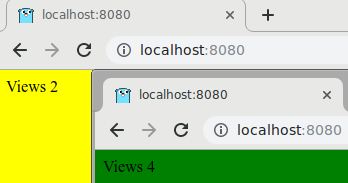
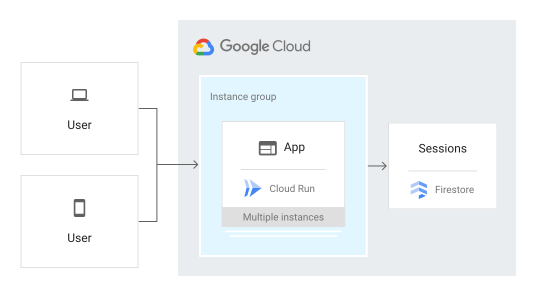
כדי שהאפליקציה תוכל לאחסן את ההעדפות של המשתמש, צריך לאחסן מידע על המשתמש הנוכחי בסשן. אפליקציית הדוגמה הזו משתמשת ב-Firestore לאחסון נתוני סשנים.
האפליקציה מתחילה בייבוא תלויות, בהגדרת סוג
appלהחזקתsessions.Storeותבנית HTML, ובהגדרת רשימת הברכות.לאחר מכן, האפליקציה מגדירה פונקציה
mainשיוצרת מופעappחדש, רושמת את handler האינדקס ומתחילה את שרת ה-HTTP. הפונקציהnewAppיוצרת את המופעappעל ידי הגדרת הערכיםprojectIDו-collectionIDומנתחת את תבנית ה-HTML.ה-handler של האינדקס מקבל את הסשן של המשתמש, ויוצר סשן אם צריך. לסשנים חדשים מוקצית שפה אקראית ומספר צפיות של 0. אחר כך, מספר הצפיות גדל באחת, הסשן נשמר ותבנית ה-HTML כותבת את התגובה.
בתרשים הבא אפשר לראות איך Firestore מטפל בסשנים באפליקציית Cloud Run.
מחיקת סשנים
אתם יכולים למחוק נתוני סשן במסוףCloud de Confiance או להטמיע אסטרטגיה למחיקה אוטומטית. אם אתם משתמשים בפתרונות אחסון לסשנים כמו Memcache או Redis, סשנים שפג תוקפם נמחקים אוטומטית.
הרצה מקומית
בחלון המסוף, יוצרים את הקובץ הבינארי
sessions:go buildמפעילים את שרת ה-HTTP:
./sessionsצפייה באפליקציה בדפדפן אינטרנט:
Cloud Shell
בסרגל הכלים של Cloud Shell, לוחצים על תצוגה מקדימה באינטרנט
 ובוחרים באפשרות תצוגה מקדימה ביציאה 8080.
מכונה מקומית
בדפדפן, עוברים אל
http://localhost:8080מוצגת אחת מחמש ברכות: Hello World, Hallo Welt, Hola mundo, Salut le Monde או Ciao Mondo. השפה משתנה אם פותחים את הדף בדפדפן אחר או במצב פרטי. אפשר לראות ולערוך את נתוני הסשן בCloud de Confiance מסוף.
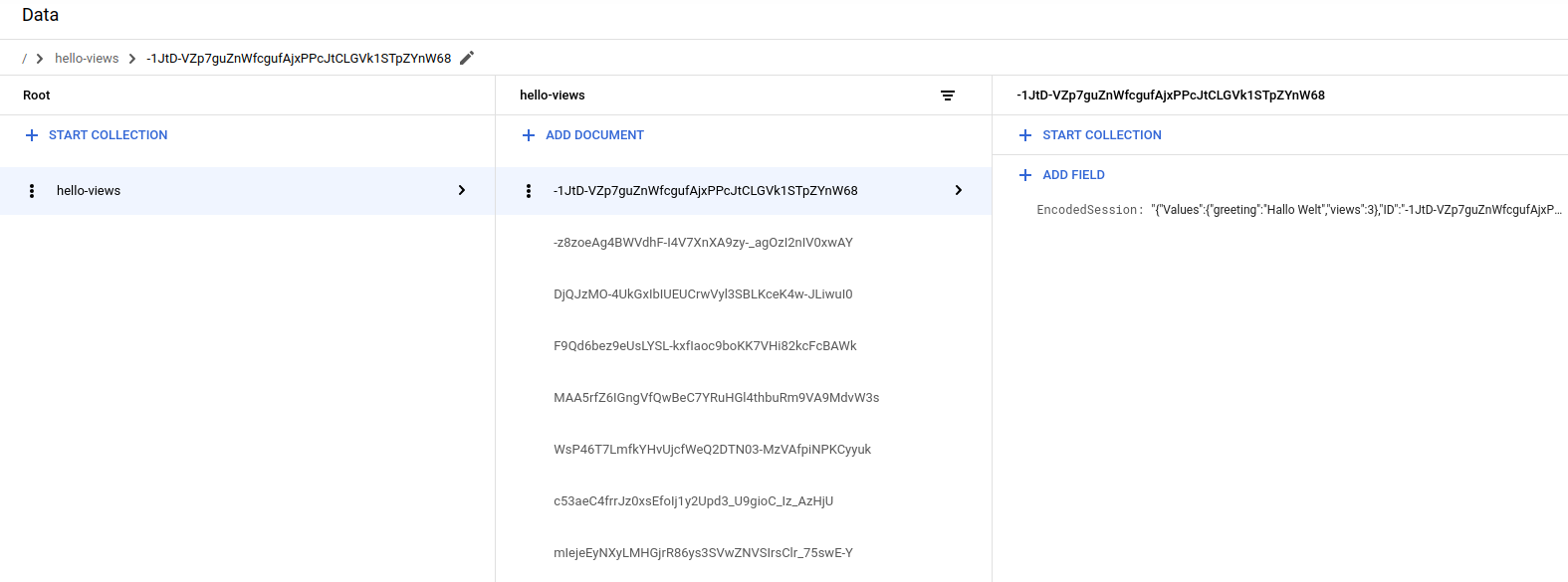
כדי לעצור את שרת ה-HTTP, בחלון הטרמינל לוחצים על
Control+C.
פריסה והפעלה ב-Cloud Run
אתם יכולים להשתמש ב-Cloud Run כדי ליצור ולפרוס אפליקציה שפועלת בצורה מהימנה בעומס כבד ועם כמויות גדולות של נתונים.
- פורסים את האפליקציה ב-Cloud Run:
    gcloud run deploy firestore-tutorial-go

    --source . --allow-unauthenticated --port=8080

--set-env-vars=GOOGLE_CLOUD_PROJECT=YOUR_PROJECT_ID - כדי לראות איך נתוני הסשן נשמרים בין טעינות הדפים, עוברים לכתובת ה-URL שמוחזרת על ידי הפקודה הזו.
ההודעה מוצגת עכשיו על ידי שרת אינטרנט שפועל במופע של Cloud Run.
ניפוי באגים באפליקציה
אם אתם לא מצליחים להתחבר לאפליקציית Cloud Run, כדאי לבדוק את הדברים הבאים:
- בודקים שהפקודות
gclouddeploy הושלמו בהצלחה ולא הוחזרו שגיאות. אם היו שגיאות (לדוגמה,message=Build failed), תקנו אותן ונסו לפרוס את אפליקציית Cloud Run שוב. נכנסים לדף Logs Explorer במסוף Cloud de Confiance .
בתפריט הנפתח Recently selected resources, לוחצים על Cloud Run Application ואז על All module_id. מוצגת רשימה של בקשות מהביקור שלכם באפליקציה. אם לא מוצגת רשימה של בקשות, צריך לוודא שבחרתם באפשרות All module_id מהרשימה הנפתחת. אם הודעות השגיאה מודפסות ב Cloud de Confiance מסוף, צריך לוודא שהקוד של האפליקציה זהה לקוד שבקטע על כתיבת אפליקציית האינטרנט.
מוודאים ש-Firestore API מופעל.
הסרת המשאבים
מחיקת הפרויקט
- במסוף Cloud de Confiance , נכנסים לדף Manage resources.
- ברשימת הפרויקטים, בוחרים את הפרויקט שרוצים למחוק ולוחצים על Delete.
- כדי למחוק את הפרויקט, כותבים את מזהה הפרויקט בתיבת הדו-שיח ולוחצים על Shut down.
מחיקת מופע Cloud Run
- במסוף Cloud de Confiance , נכנסים לדף Versions של App Engine.
- מסמנים את התיבה שלצד גרסת האפליקציה שלא מוגדרת כברירת מחדל ושרוצים למחוק.
- כדי למחוק את גרסת האפליקציה, לוחצים על Delete.
המאמרים הבאים
- אפשר לנסות את המדריכים לפונקציות Cloud Run.
- מידע נוסף על Cloud Run
- כדאי לנסות את Cloud Run, שמאפשר להריץ קונטיינרים ללא שמירת מצב בסביבה מנוהלת או באשכול Google Kubernetes Engine משלכם.